How Outdoor Education Builds Resilience and Teamwork
Register
September 10, 2026 • 3 min read
Some lessons are best learned by doing.
Outdoor education gives students opportunities to step beyond the classroom, test themselves in unfamiliar situations and discover strengths they may not have realised they had.
At Kinross Wolaroi, outdoor education is part of a broader commitment to developing capable, resilient and confident young people. Through programs such as Cadets and the Duke of Edinburgh’s International Award, students are encouraged to lead, contribute, solve problems and work alongside others in situations where teamwork and perseverance genuinely matter.
As Catherine Litchfield, Director of Co-curricular Learning, explains:
“Some of the most powerful learning happens when students are challenged to do something unfamiliar. Outdoor education gives them the opportunity to test themselves, support others and discover that they are capable of more than they might have thought.”
That is what makes outdoor education so valuable. Studentsare not simply told about resilience, independence or leadership. They aregiven opportunities to practise those qualities in real situations.
What Does Outdoor Education Look Like at Kinross Wolaroi?
At Kinross Wolaroi, outdoor education is grounded in experience, challenge and leadership.
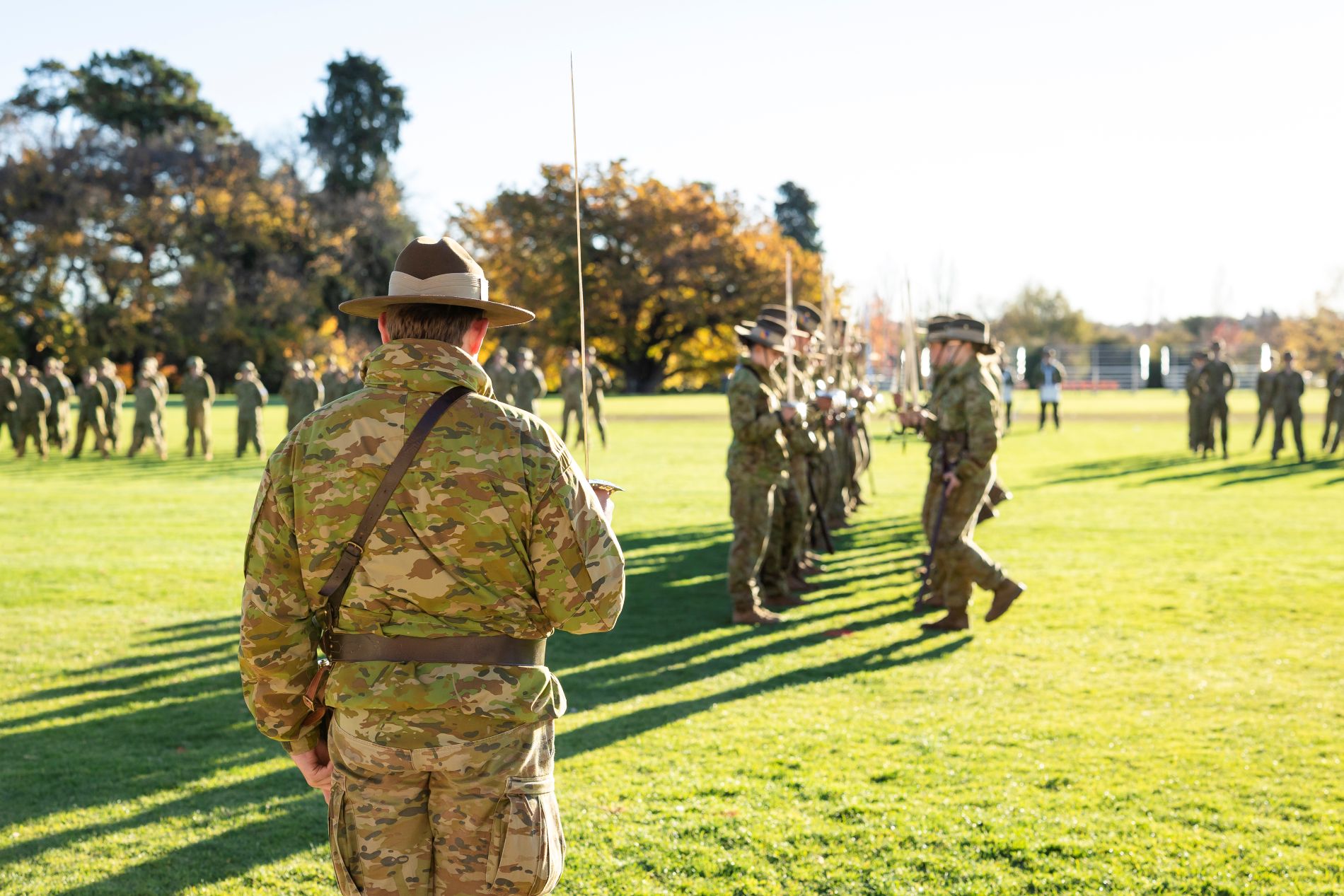
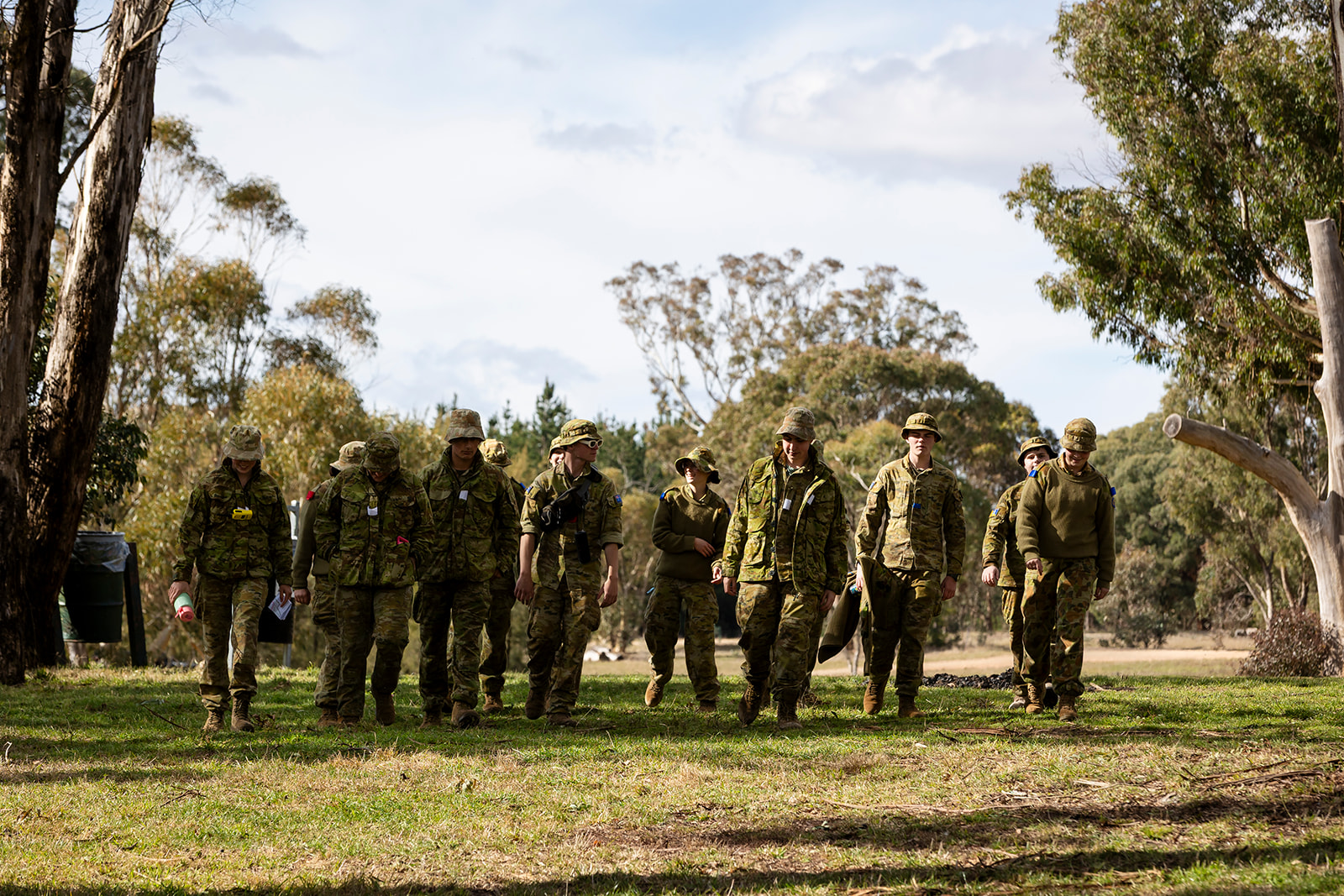
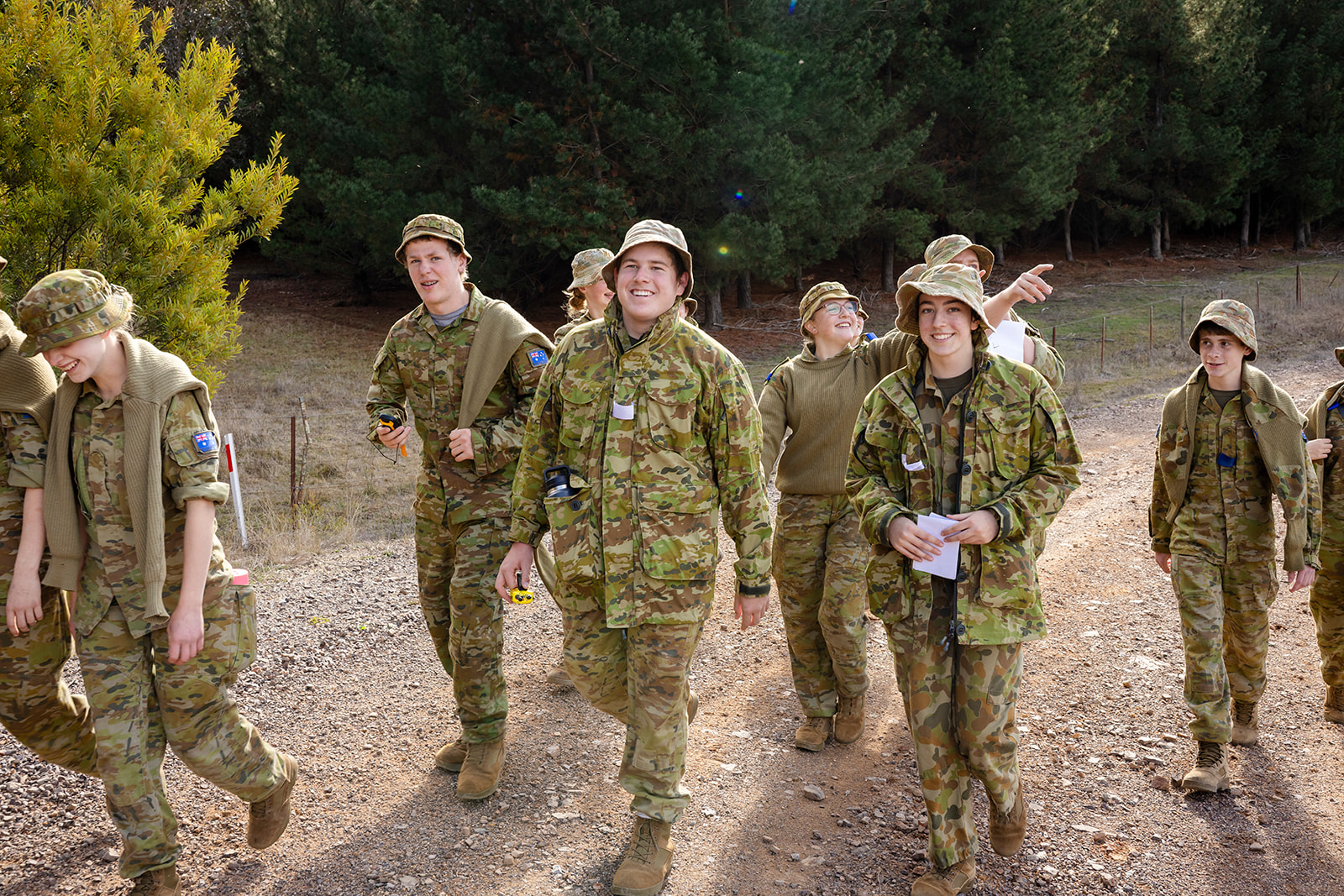
For many Senior School students, this includes participation in the Kinross Wolaroi Cadet Unit, which has more than 300 students. Students typically join from Years 7 to 9, with opportunities to continue into senior leadership roles in later years.
Weekly Cadet training can include:
- bushcraft;
- navigation;
- survival skills;
- first aid;
- abseiling;
- archery; and
- leadership and teamwork activities.
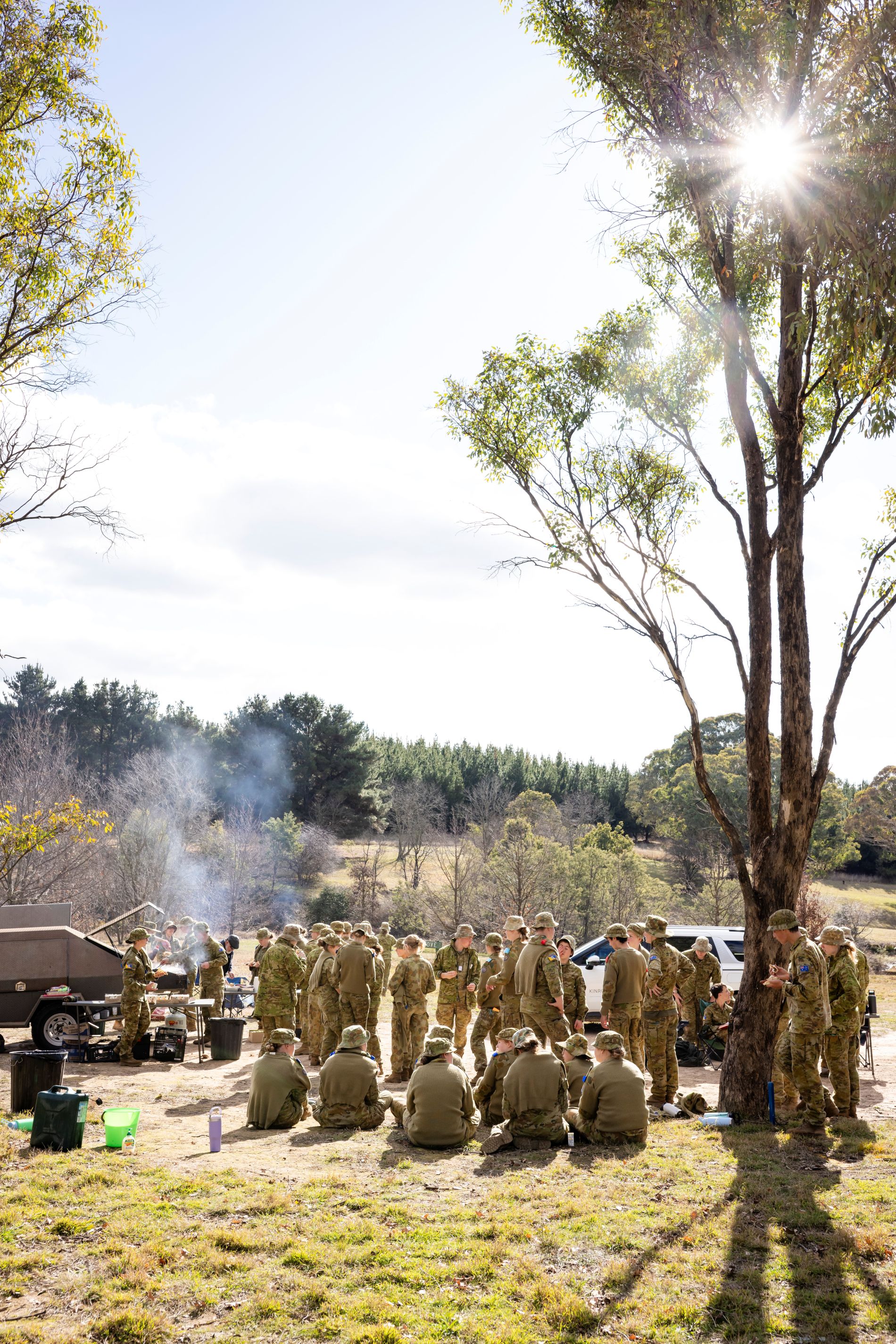
Students also take part in annual camps and Bivouac, giving them extended opportunities to apply these skills, work as a team and take increasing responsibility.
The emphasis is not simply on mastering practical tasks. It is on developing self-reliance, resilience and leadership through experience.
How Does Outdoor Education Build Resilience?
Resilience grows when students experience challenge and learn that they can work through it.
That might mean navigating in unfamiliar terrain, managing changing conditions, learning a new practical skill or continuing with a task when it feels difficult.
In those moments, students learn something that is hard to replicate in a classroom: being uncomfortable does not mean being incapable.
They learn to pause, problem-solve, ask for help, adapt and keep going.
At Kinross Wolaroi, the supportive structure around these experiences is important. Students are challenged, but they are also given guidance, encouragement and opportunities to learn from both success and mistakes.
Over time, that helps build a quieter kind of confidence – the confidence that comes from knowing, “I’ve done something difficult before. I can work this out.”
Why Does Teamwork Matter Outdoors?
Outdoor settings make teamwork immediate.
When students are navigating, preparing equipment, solving a problem or completing a group challenge, success depends on more than individual ability.
They need to communicate clearly. They need to listen. They need to recognise the strengths of others and sometimes put the needs of the group ahead of their own.
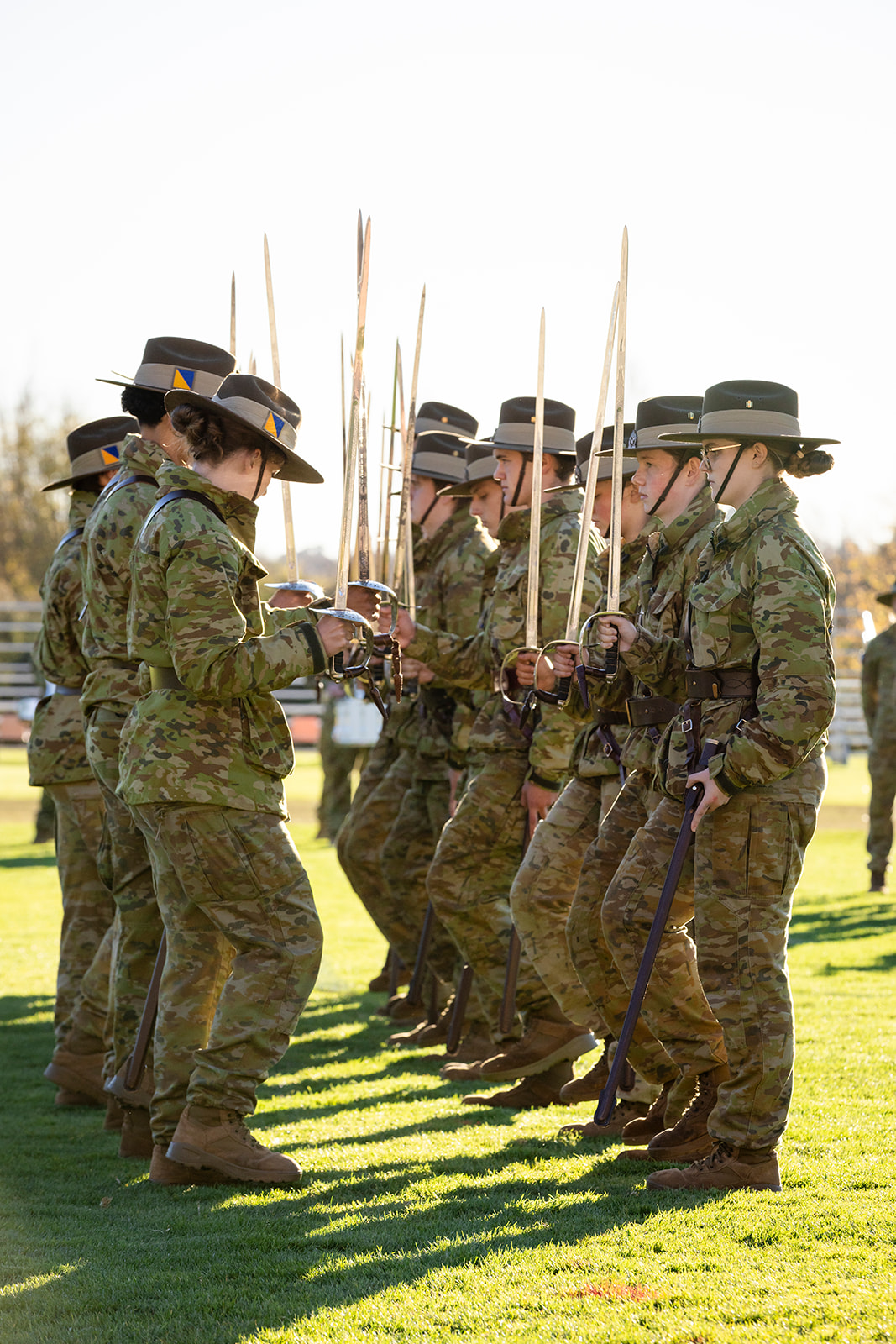
This is particularly evident in the Cadet program, where students work within teams and can progressively take on formal leadership responsibilities.
Leadership roles include Cadet Under Officers, Platoon Sergeants and Corporals, with rank earned through experience and promotion courses.
That progression gives students an authentic opportunity to move from being supported by others to taking responsibility for supporting and leading their peers.
Learning to Lead
At Kinross Wolaroi, leadership is not viewed simply as holding a title.
Outdoor education creates opportunities for students to practise leadership through action.
A student may need to make a decision for a group, encourage someone who is struggling, communicate instructions clearly or take responsibility when something does not go to plan.
These situations help students understand that good leadership involves listening, judgement, empathy and responsibility.
The Duke of Edinburgh’s International Award
For students looking to challenge themselves further, Kinross Wolaroi also offers the Duke of Edinburgh’s International Award.
Open to students aged 14–24, the internationally recognised program encourages participants to set goals and develop across four areas:
- learning a skill;
- improving physical wellbeing;
- volunteering in the community; and
- completing an adventurous journey in a new environment.
The Award gives students considerable ownership of their experience. They choose goals, commit to them over time and learn that personal development often comes through consistency rather than instant success.
At Kinross Wolaroi, the program provides a meaningful pathway for students to build resilience, independence and a sense of purpose.
How Does Outdoor Education Build Confidence?
Not every student discovers confidence in the same place.
For one student, it may come through academics. For another, it might be music, sport or performance. Outdoor education creates another environment in which young people can recognise their strengths.
A student who rarely takes the lead in the classroom might become the calmest person in a navigation exercise.
Someone who has never camped before might discover they are more independent than they realised.
Another student may find that their greatest strength is encouraging others when a group is tired or under pressure.
These moments can change the way students see themselves.
The confidence they gain does not stay on camp. It can influence how willing they are to try something new, speak up, take responsibility or respond to challenges in other areas of school life.
How Does Outdoor Education Build Practical Life Skills?
Outdoor education also gives students repeated opportunities to develop practical habits that matter beyond school.
They learn to:
- prepare and organise equipment;
- manage their time;
- follow safety procedures;
- make decisions;
- solve problems;
- communicate clearly;
- look after themselves; and
- take responsibility for others.
Individually, these may seem like small skills. Together, they build independence, maturity and adaptability.
For students preparing for university, work and life beyond school, those qualities are just as important as the practical activity itself.
Preparing Students for What Comes Next
The value of outdoor education is not simply in completing a camp, earning a Cadet rank or finishing an adventurous journey.
It is in what students learn about themselves along the way.
At Kinross Wolaroi, outdoor education gives students opportunities to experience challenge in a supportive environment and to discover that resilience, teamwork and leadership are skills that can be developed.
Students learn that difficult things can be approached step by step. They learn that good leadership involves listening. They learn to rely on others and to be someone others can rely on.
Most importantly, they leave those experiences with a stronger understanding of what they are capable of.
Discover Outdoor Education at Kinross Wolaroi
For families exploring outdoor education schools in NSW, we invite you to learn more about the opportunities available at Kinross Wolaroi.
Discover our Cadet program, the Duke of Edinburgh’s International Award and the broader co-curricular experiences that help students develop confidence, resilience and leadership beyond the classroom.