
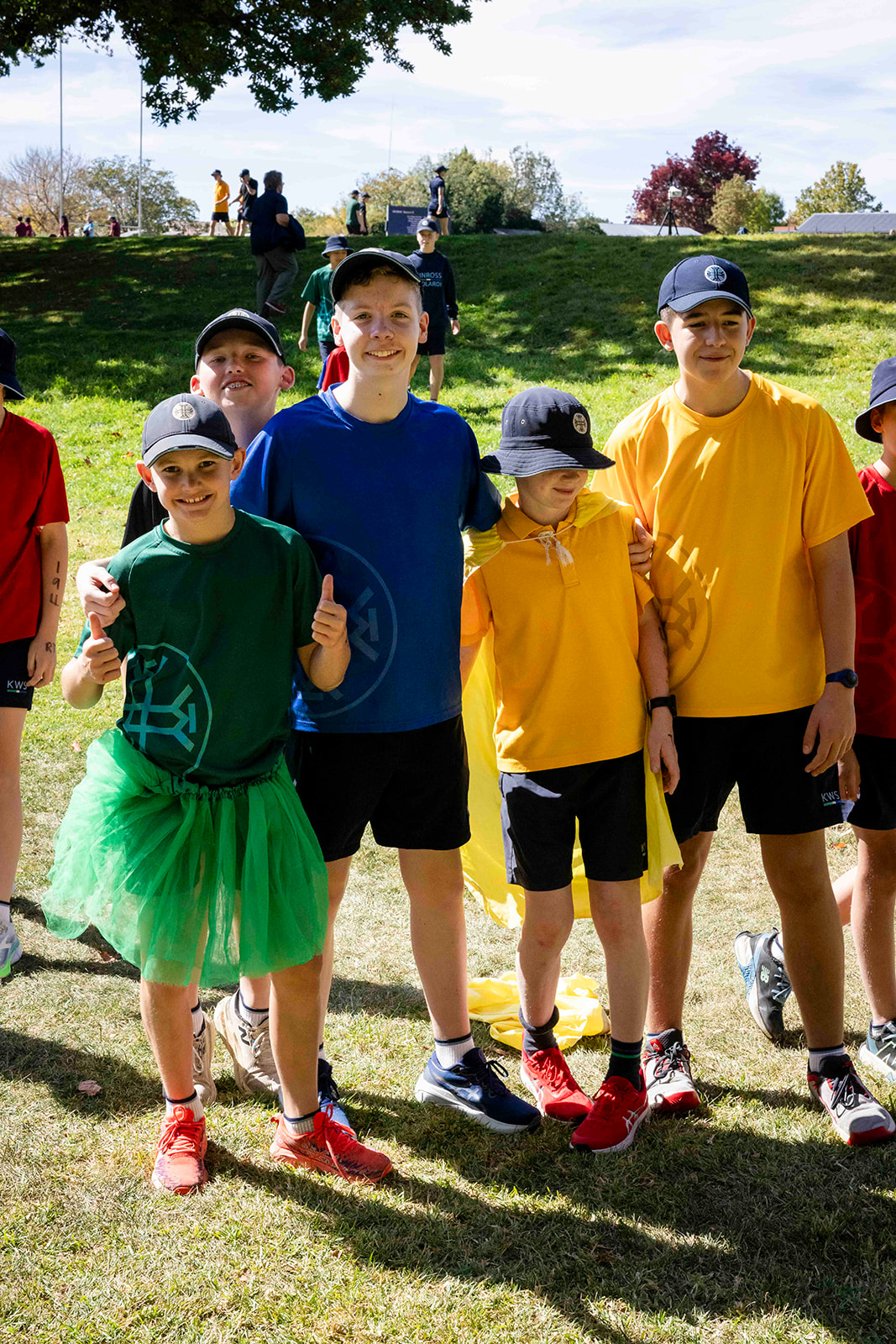
How Wellbeing Programs Strengthen Student Confidence
Register
September 10, 2026 • 3 min read
Confidence is shaped by much more than academic achievement. It grows when students feel known, connected and supported; when they understand their strengths; and when they have the skills to navigate challenges and relationships with increasing independence.
At Kinross Wolaroi, wellbeing is not treated as something separate from learning. It is part of the everyday experience of school and is deliberately structured from Pre-Kinder through to Year 12.
Our approach is centred on the development of the whole student and guided by our School values of courage, respect, inclusiveness, resilience and commitment. The aim is simple but important: for every student to feel seen, heard and supported.
As Matt Byrne, Executive Director, Learning & Wellbeing, explains:
“Wellbeing is not just about supporting students when something goes wrong. It is about giving every student the skills, relationships and confidence they need to understand themselves, navigate challenges and flourish.”
This whole-school approach means students develop wellbeing skills progressively as they grow, while also knowing there are trusted adults and specialist support available when they need it.
See Wellbeing in Action
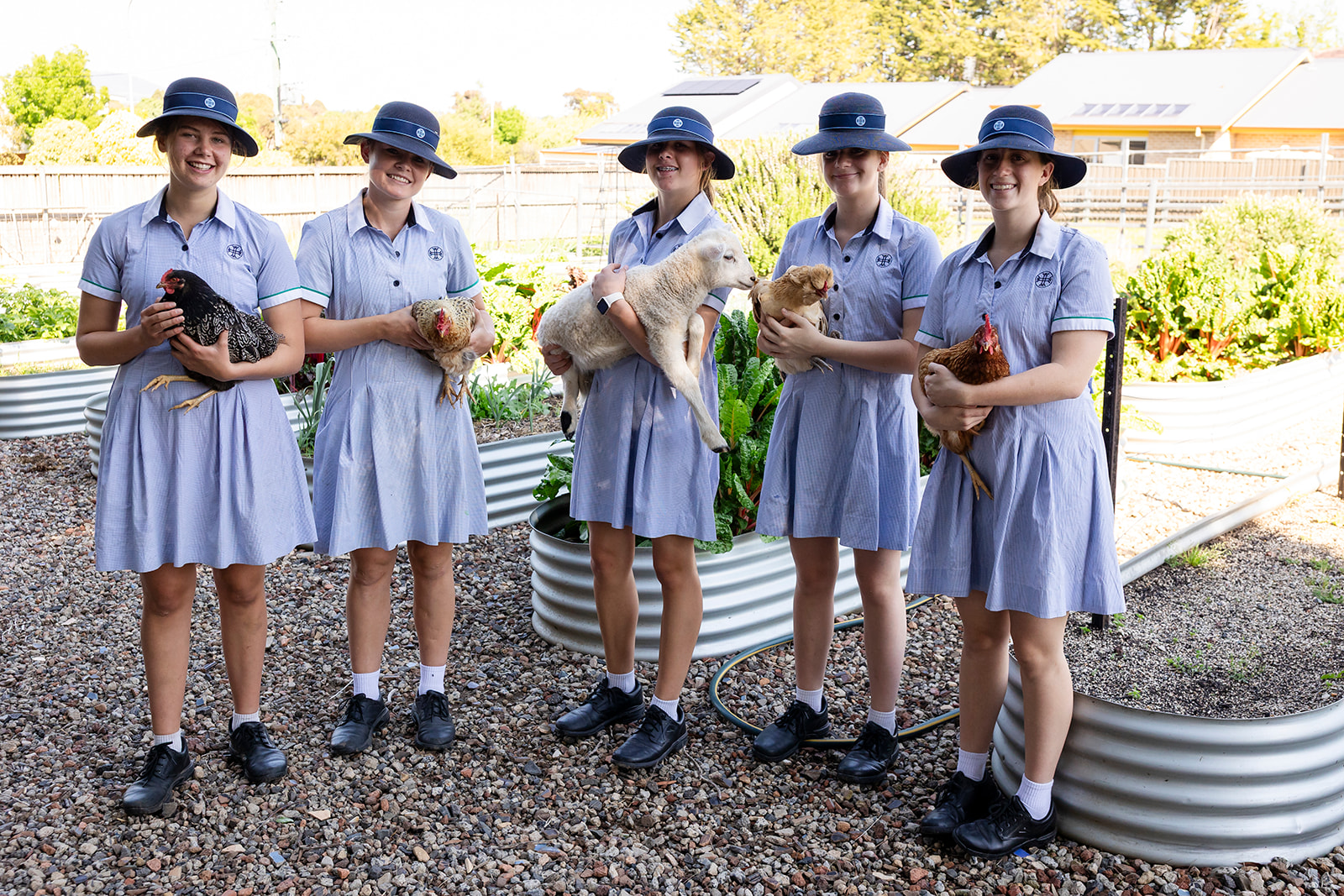
Wellbeing at Kinross Wolaroi is about more than programs and frameworks. It comes to life through the relationships students build, the support they receive and the skills they develop throughout their school journey.
Our wellbeing video provides a closer look at how students are supported to feel known, connected and confident across the School.
[Watch our Wellbeing Video]
What Does Wellbeing Look Like at Kinross Wolaroi?
Kinross Wolaroi’s Pre-Kinder to Year 12 Wellbeing Program is designed around the developmental needs of students at different stages of their schooling.
Younger students may be learning how to recognise emotions, understand their strengths, build friendships and develop social awareness. As students move into Senior School, the focus increasingly includes independence, relationships, coping, responsibility and taking greater ownership of their own wellbeing.
This progression is important because wellbeing is not a single lesson or intervention. It develops over time through relationships, explicit learning and experience.
In Junior School, class teachers play an important role in creating safe and inclusive environments and helping students develop emotional regulation, self-awareness and social skills.
In Senior School, dedicated wellbeing educators deliver structured lessons, presentations and experiential learning grounded in wellbeing science and research.
What Is Visible Wellbeing?
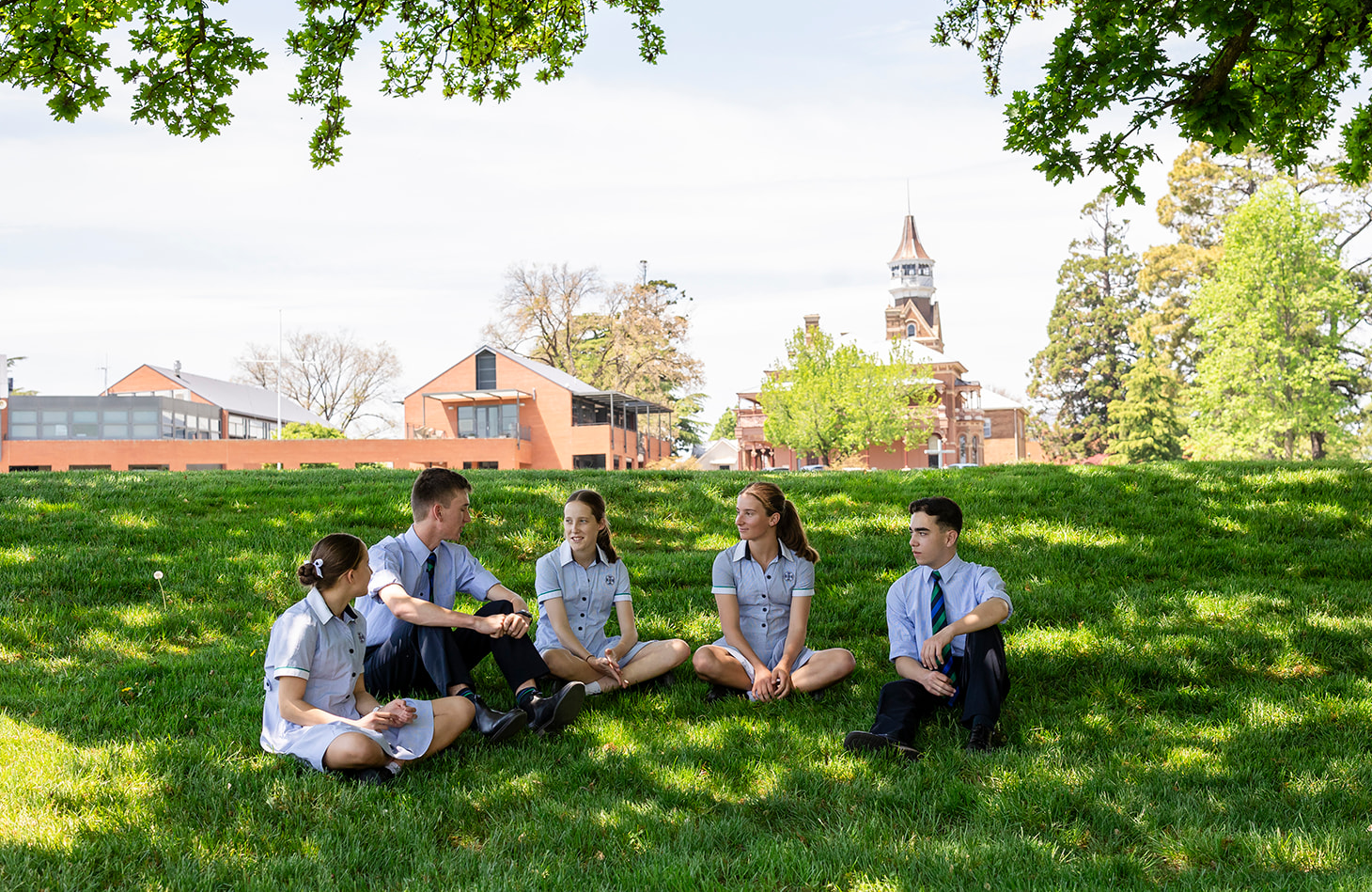
A key part of Kinross Wolaroi’s approach is Visible Wellbeing, an evidence-based program developed by Professor Lea Waters AM, PhD.
Visible Wellbeing brings principles of positive psychology into everyday school life through the SEARCH Framework:
- Strengths
- Emotional Management
- Attention and Awareness
- Relationships
- Coping
- Habits and Goals
Rather than wellbeing being something students only think about when they are struggling, SEARCH gives them a practical language for understanding themselves and the way they respond to different situations.
A student might learn to recognise a personal strength, identify a strategy for managing pressure, become more aware of how they respond to others or set habits and goals that support their learning.
Over time, those skills help students build self-awareness, resilience and confidence.
Why Does Belonging Matter?
One of the strongest foundations for student wellbeing is a genuine sense of belonging.
At Kinross Wolaroi, every student is part of a House, creating a smaller community within the broader School.
The House system provides opportunities for connection, service, leadership and healthy competition, but importantly, it also strengthens individual care.
Students are supported by a Head Mentor and Wellbeing Mentor throughout their school journey. These relationships help ensure students have adults who know them, understand their strengths and aspirations and can advocate for them when needed.
That sense of being known matters.
When students feel connected to their peers and trusted adults, they are more likely to participate, ask for help, try something unfamiliar and develop the confidence to contribute to school life.
How Does Kinross Wolaroi Support Student Mental Health?
Wellbeing also means ensuring students can access expert support when they need it.
Kinross Wolaroi’s psychologists and student support staff form an important part of the wider wellbeing approach. Counselling services support students’ mental health while also helping them develop practical tools and strategies they can use beyond the immediate challenge.
The goal is not for students to become dependent on support. As they mature, we want them to become increasingly confident in recognising when they need help, accessing it and taking ownership of both their academic and wellbeing journeys.
This works alongside the everyday support provided by teachers, mentors and families.
How Do Positive Relationships Support Wellbeing?
Learning how to build and maintain positive relationships is an important part of growing up.
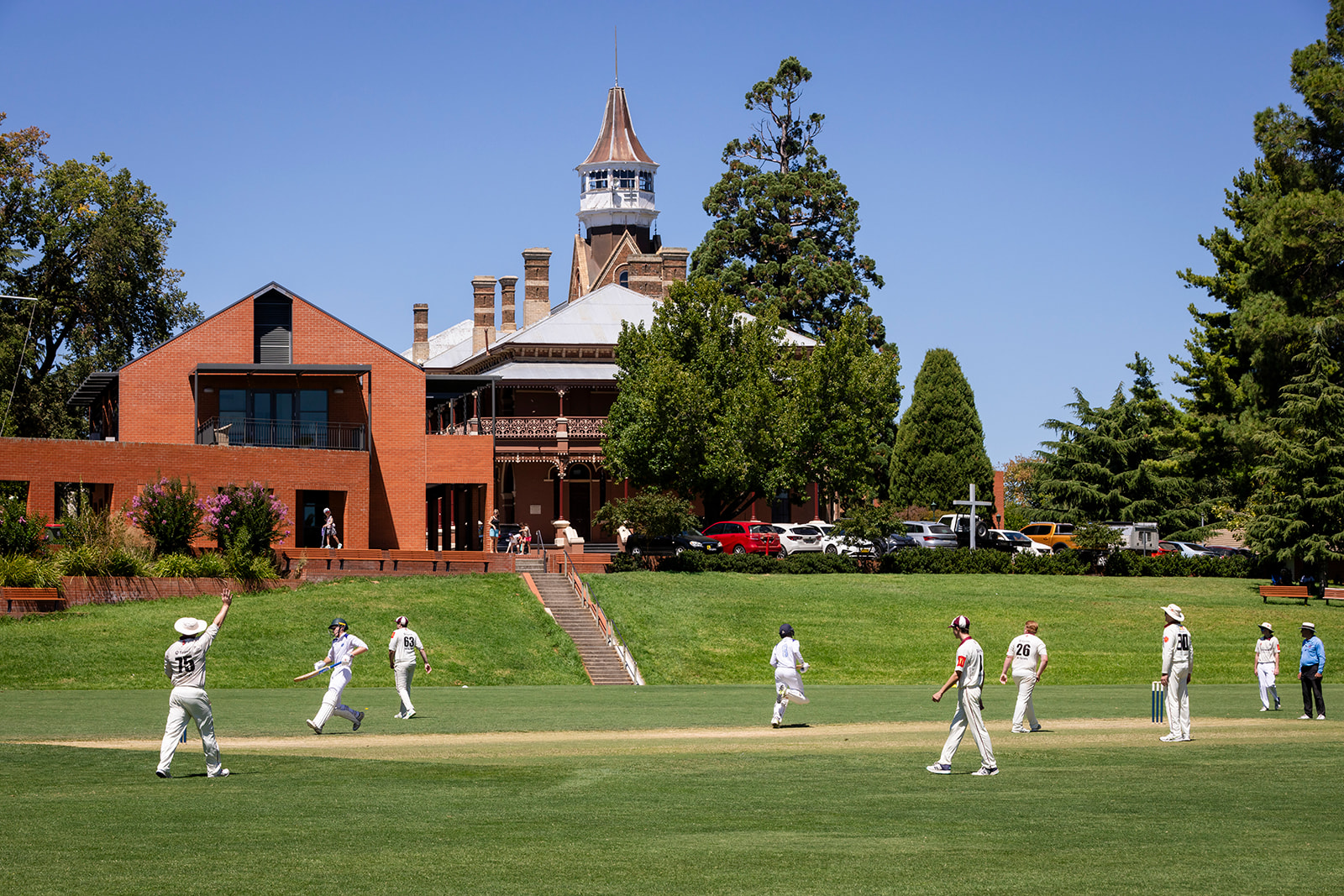
At Kinross Wolaroi, peer relationships and behaviour are supported through a restorative approach that promotes empathy, respect, resilience and positive interaction.
Rather than focusing only on rules and consequences, restorative practice encourages students to understand the impact of their actions, take responsibility and learn how relationships can be repaired.
These are skills that extend well beyond school.
They help students become more thoughtful friends, classmates, leaders and members of their wider communities.
How Are Wellbeing and Learning Connected?
Students are more ready to learn when they feel secure, connected and able to manage the challenges around them.
A student who understands their strengths may be more willing to attempt something difficult. A student with strategies for coping with pressure may be better able to persist. A student who feels known by a mentor may be more comfortable asking for support before a problem becomes overwhelming.
This is why wellbeing and academic learning should not be viewed as competing priorities.
At Kinross Wolaroi, the two work alongside one another. Our wellbeing framework, educational support, teachers and specialist staff collectively help create the conditions in which students can engage, progress and grow in confidence.
A Partnership Between Home and School
Student wellbeing does not stop at the school gate.
Kinross Wolaroi recognises that strong wellbeing is supported by a positive and productive relationship between home and school.
Open communication between families, mentors, teachers and specialist staff helps build a more complete understanding of a young person and allows support to respond as their needs change.
For parents, this means knowing that wellbeing is not simply a program their child participates in. It is part of a broader partnership designed to help them develop the skills, confidence and relationships they will need throughout school and beyond.
Helping Students Flourish
Ultimately, strong school wellbeing programs in NSW should do more than respond to difficulties.
They should help young people understand who they are, recognise their strengths, build meaningful relationships, manage setbacks and approach opportunities with confidence.
That is the purpose of wellbeing at Kinross Wolaroi: to create a connected and supportive environment in which students can develop their potential, contribute meaningfully and flourish.
Want to learn more about wellbeing at Kinross Wolaroi?
Explore our Wellbeing Program and discover how we support students from Pre-Kinder to Year 12.
[Explore Wellbeing at Kinross Wolaroi]